
Residency - Plow or not to Plow?
Agnė Bagdžiūnaitė is an artist, curator, and researcher. Her practice and research are informed by methodologies of people's history, feminist ethnography, and social reproduction theory. She has conducted several studies on Lithuanian labour history, focusing primarily on women’s work and the textile industry. In 2023 September, Agnė Bagdžiūnaitė opened the exhibition Women's Voices: Stories from Kaunas's Textile Industry at the Kaunas Picture Gallery.
During her residency, the artist carried out the research project Panevėžys’s Industrial Past Today. Exploring the city’s industry and industrial history, she drew connections to contemporary processes of industrialisation, including digitalisation, artificial intelligence, and other emerging technologies. An important aspect of the research was a thorough examination of Panevėžys’s industrial identity through local institutional resources, including the Local History Department of the Gabrielė Petkevičaitė-Bitė Public Library, the Local History Museum, and the organisation Panevėžys NOW.
The research also relied on direct conversations with former factory employees of Panevėžys Ekranas and the local meat processing plant. Although many industrial stories came to an end during the 1990s and early 2000s, a central question remained: what can we learn today from these former industries? The changing relationship between people and their tools of labour, together with evolving perceptions of the workplace, inspired the artist to develop a film script about love for machines and the relationships between people and their working tools.
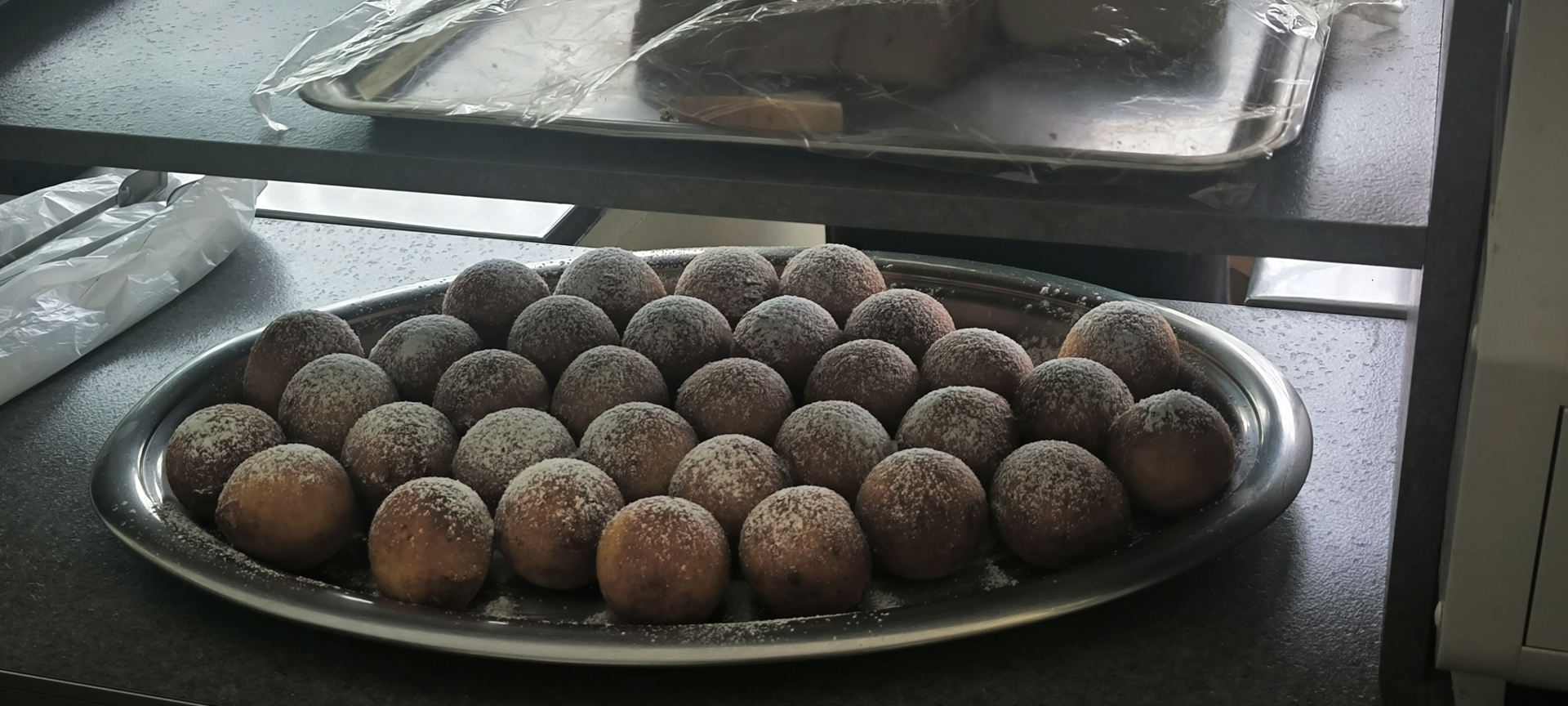
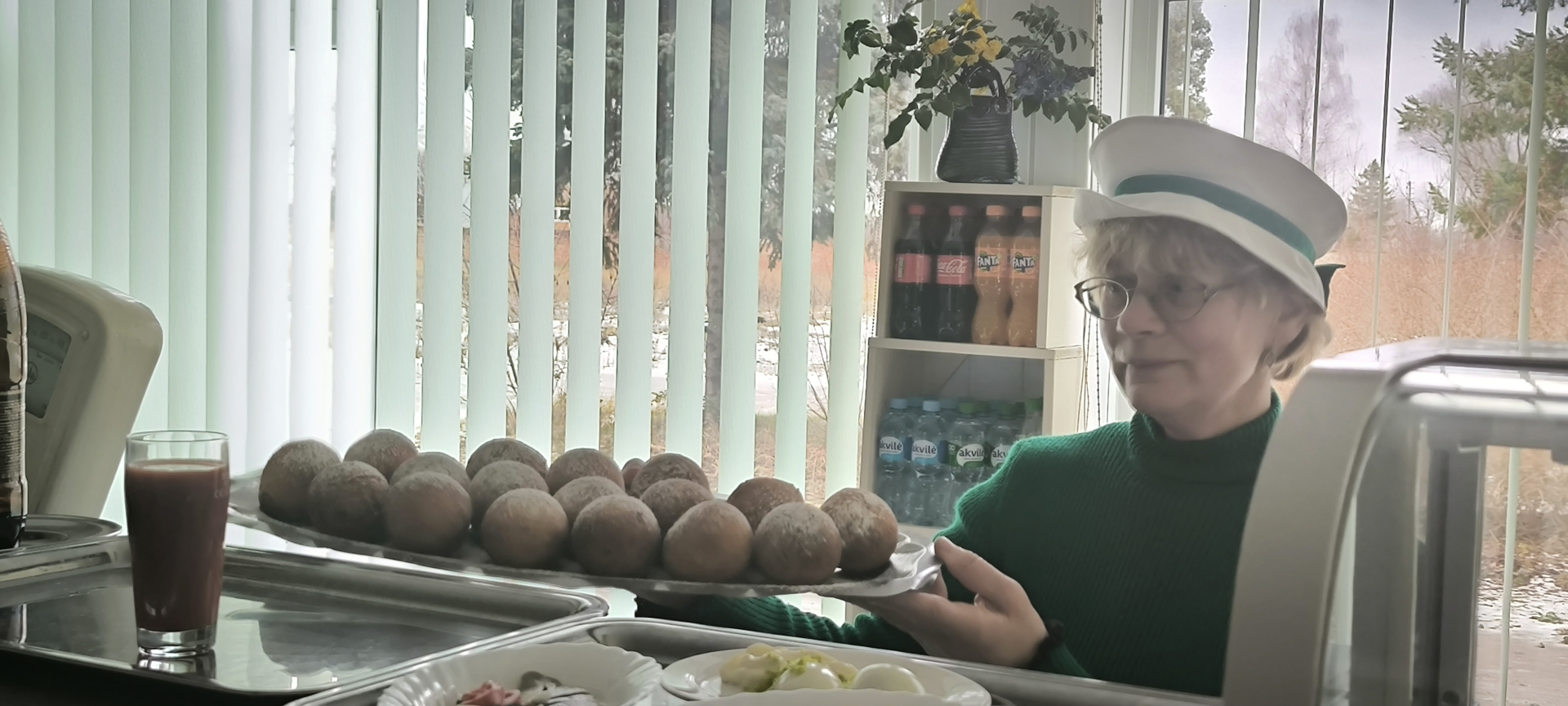
Experimental explorations and video conversations were presented alongside handmade curd doughnuts in the canteen of the former city meat processing plant. Drawing on the knowledge gained during the residency, the artist also presented her research at the Prãgiedruliai Creative Center.
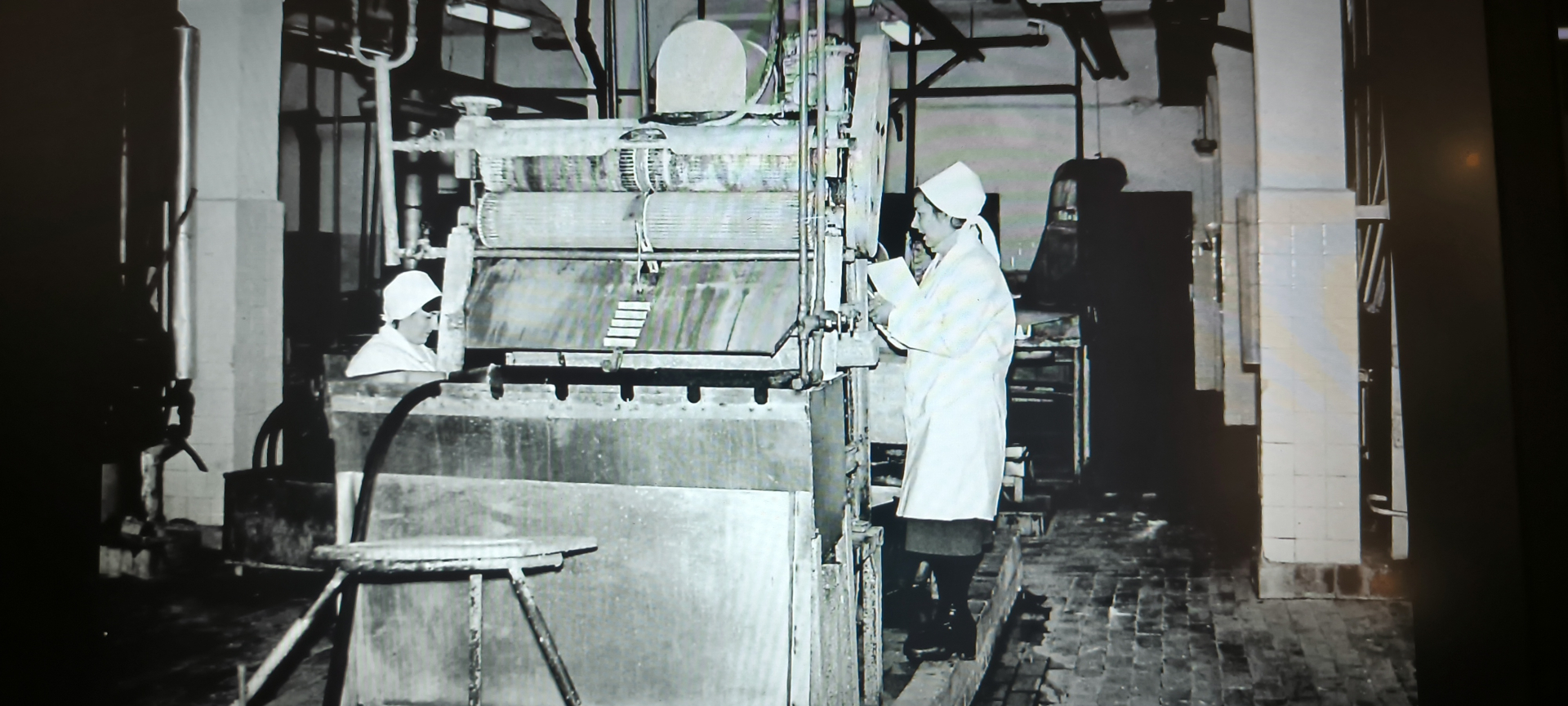
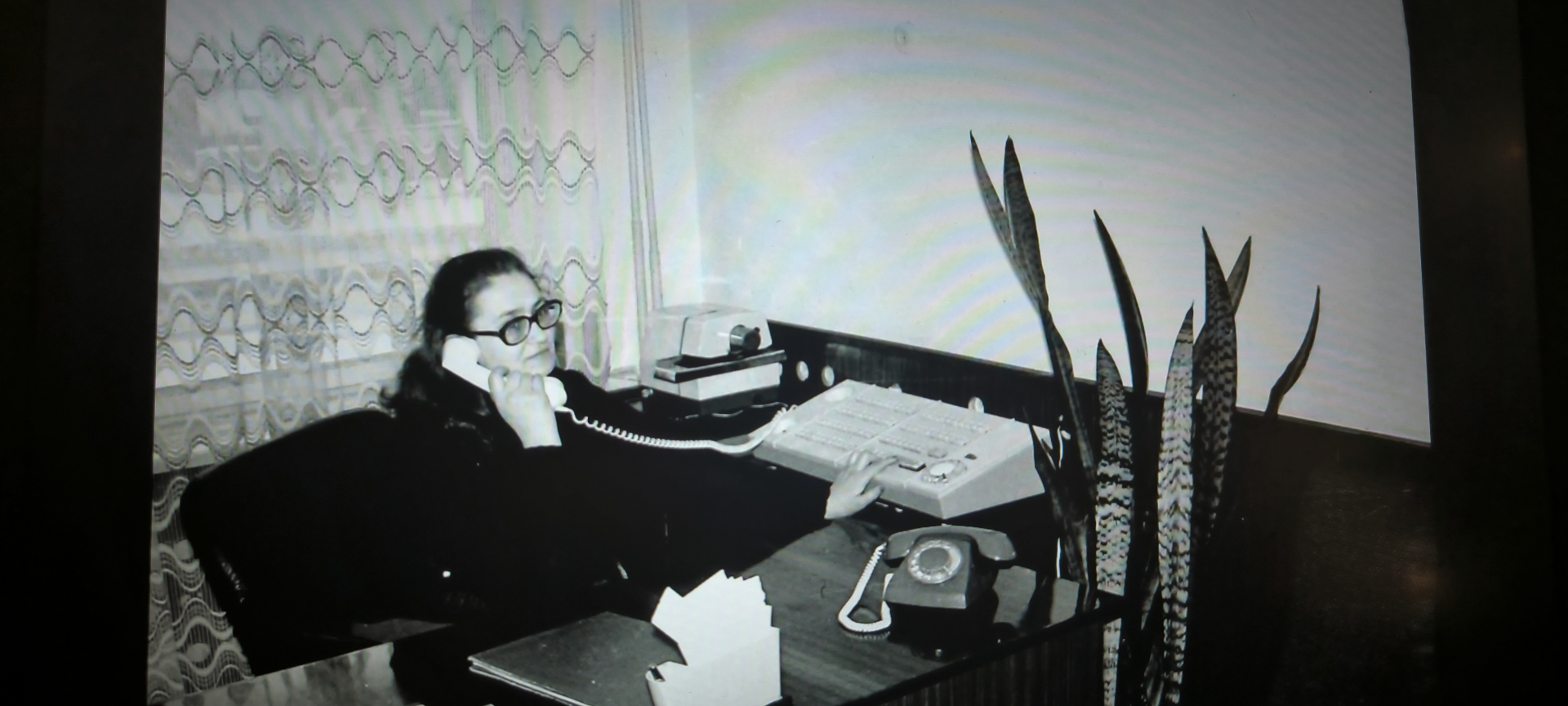
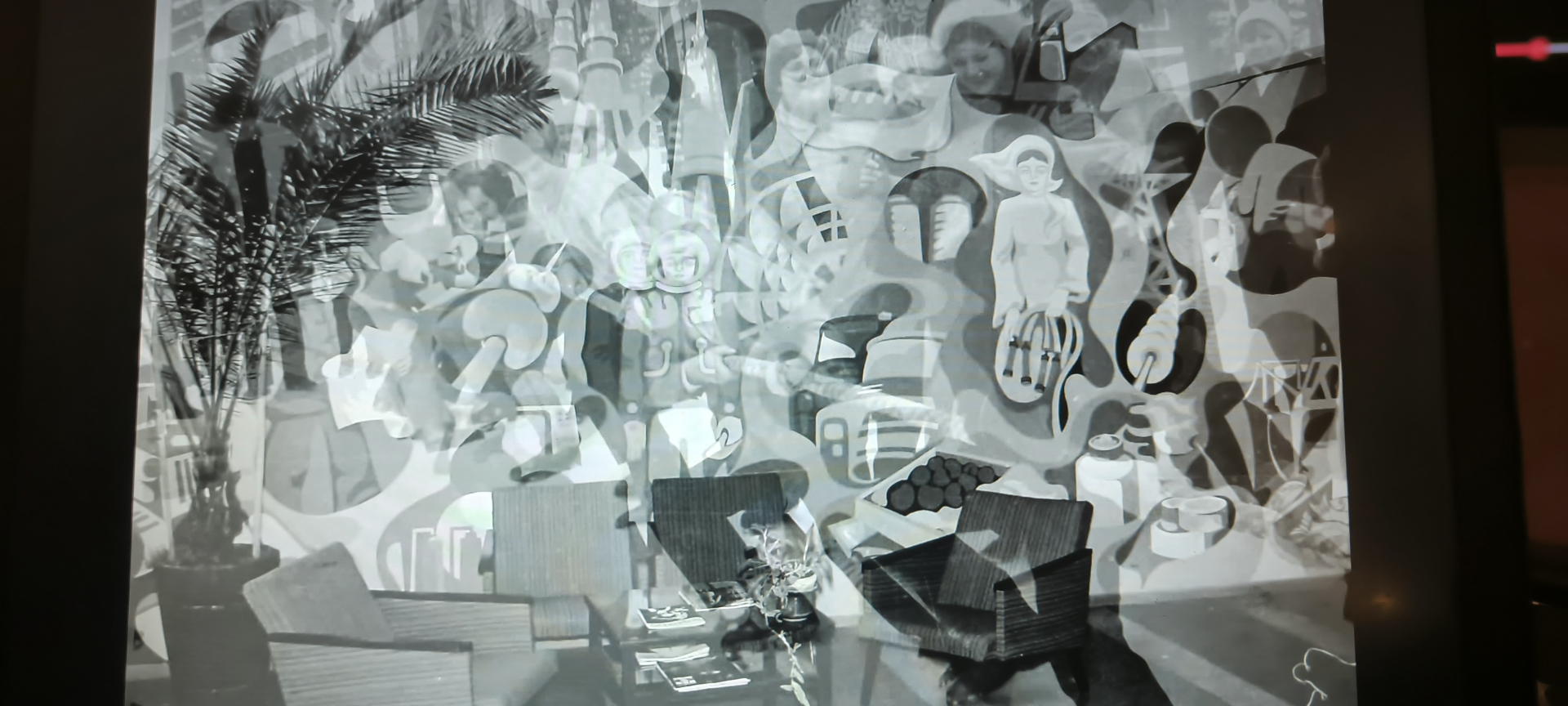
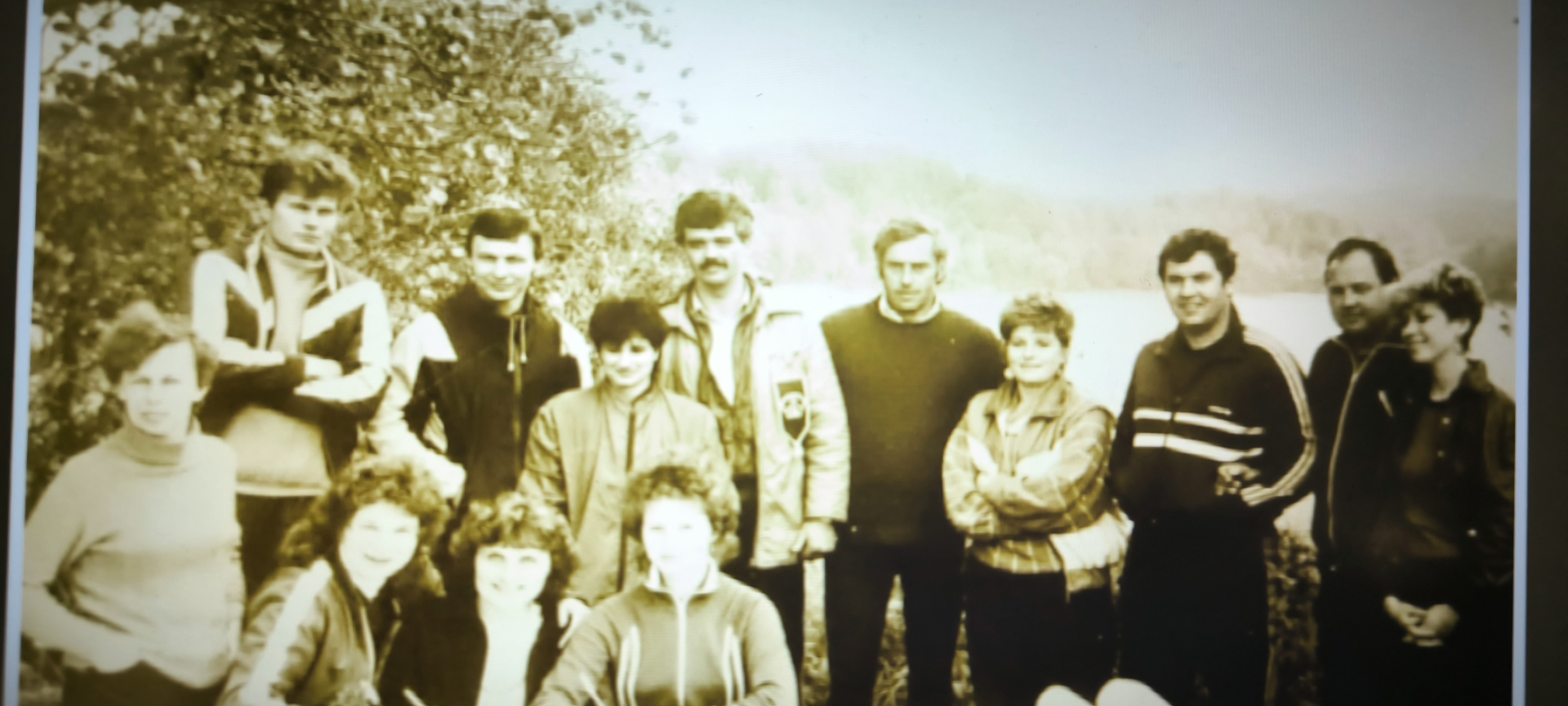
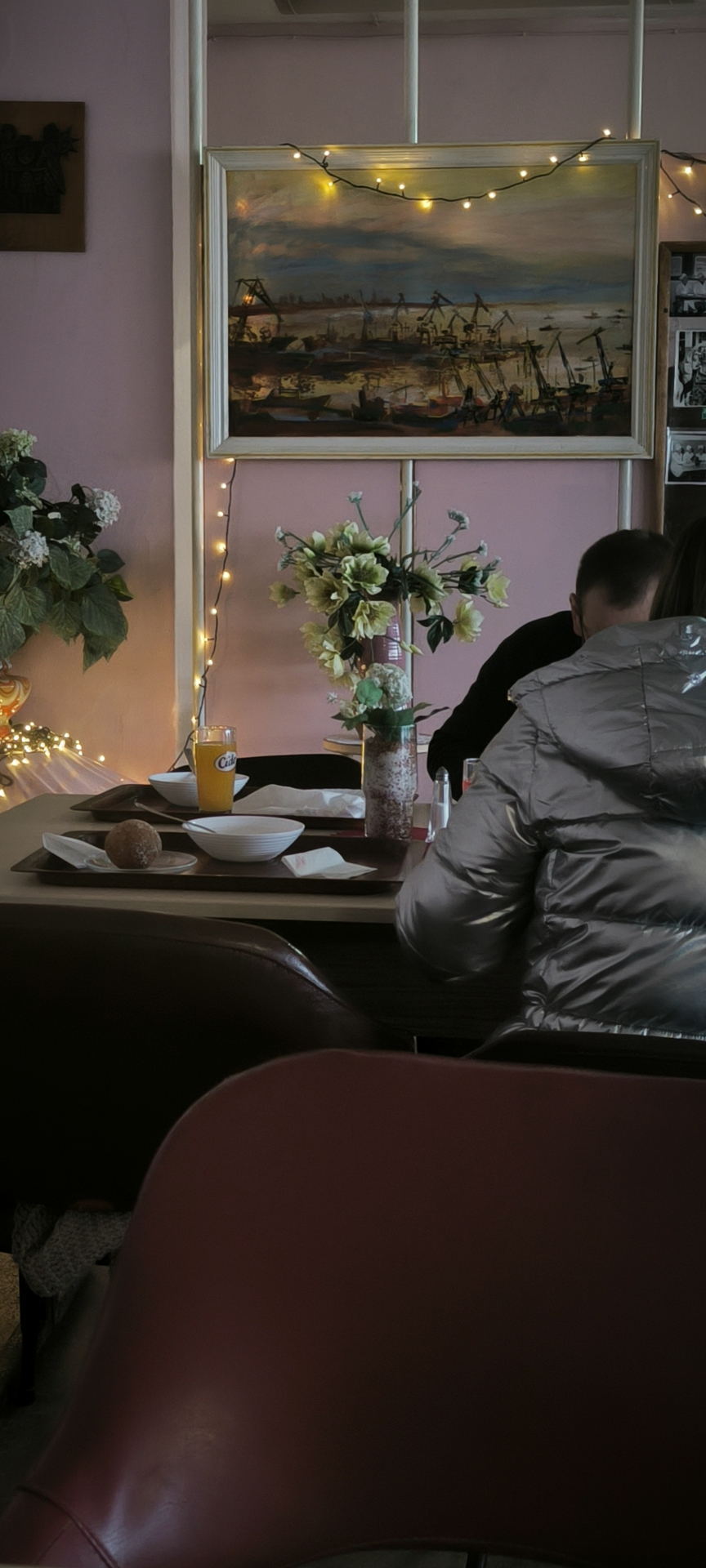
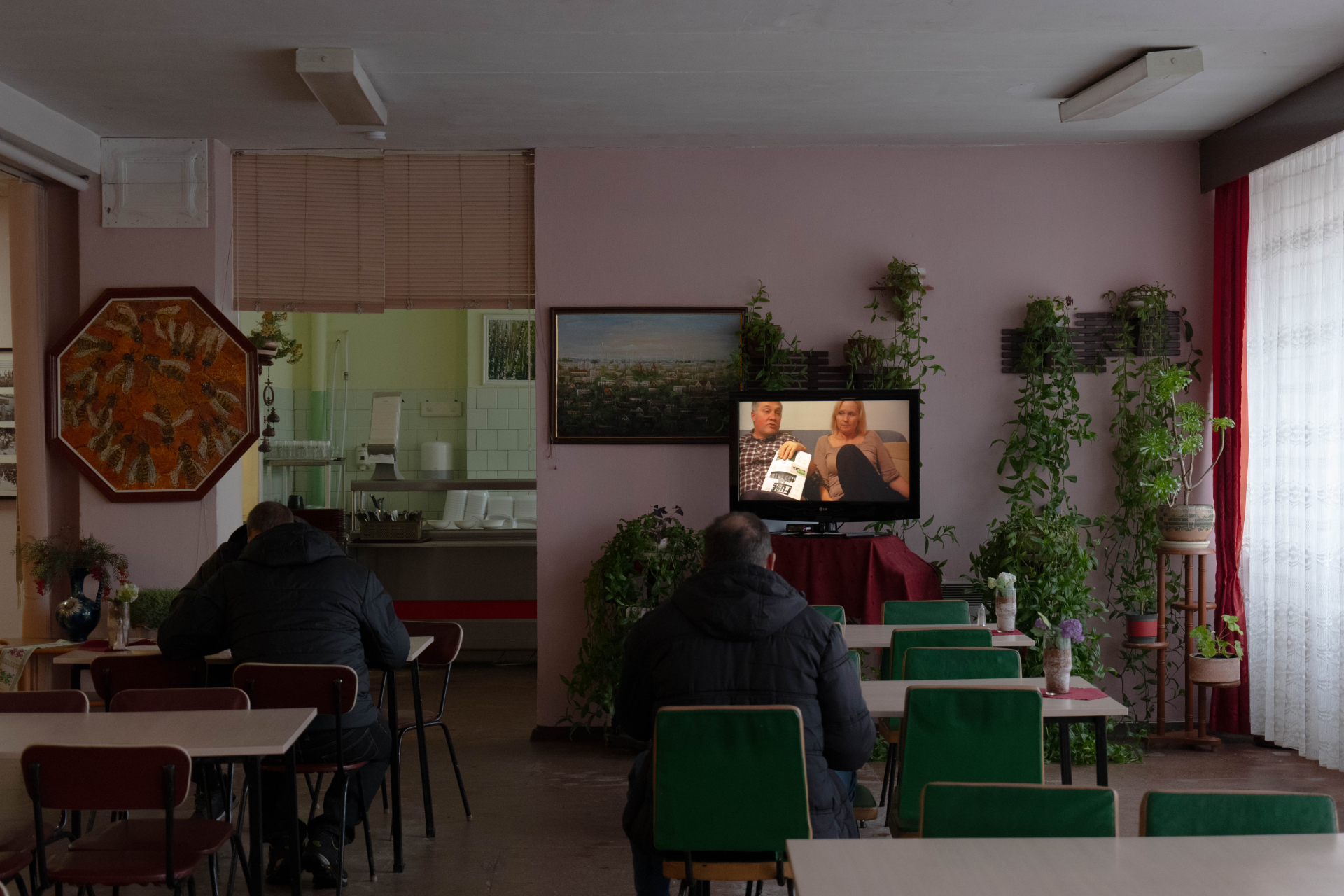

Agnė Bagdžiūnaitė on her creative process in Panevėžys: "The process of developing the screenplay during the residency was shaped by the history of the Panevėžys Meat Processing Plant canteen. Following the factory's bankruptcy, many of its buildings were removed or demolished, but one administrative building — or rather a building intended for the recreational needs of employees — remained. Taking this history into account, and after visiting Zita Tolvaišienė's canteen several times, learning about its history, becoming familiar with its menu, former routines, and relationships with other food industry establishments, I decided that one of the screenplay's scenes would take place in the canteen. It therefore felt important to present my work there, allowing it to interact with the environment and socially respond to the atmosphere of the canteen.
It was no coincidence that the presentation of the work included sharing doughnuts with visitors, as a way of fully integrating the canteen's customers into the artwork. In this way, the people of Panevėžys became part of the film script, if only for a brief moment. Having noticed a television screen in the canteen interior featuring Zita Tolvaišienė, we decided to present our collected archives to the customers. On her part, she granted me permission to display her collection of photographs discovered at the meat processing plant, while I presented a video work created in 2013 that intensely reflects upon fragments of the past, the Soviet period, and labour relations.
As collaboration is very important within my practice, Zita and I created and presented an entirely new and unexpected film script, one that encompasses many layers, particularly the conflict between today's generations, which is also rooted in the changing means of production."
Ieva Gražytė's commentary: "The presentation of excerpts from the research in the meat processing plant canteen was not accidental. Labour relations affected by intensive processes of automation reveal their humanity most clearly during the lunch break — something that highly efficient working tools have no need for. The fact that, after the closure of the plant and the silencing of its machines, people continue to gather here for lunch and conversation speaks of true longevity and of processes that remain untouched by industrial change."
Residency: Open Call
Plow or not to Plow?
Sekundė: Agnė BAGDŽIŪNAITĖ: I Felt Like I Was Abroad in Panevėžys
ArtNews: Stories, Silences and Whispers. Marija Martinaitytė in Conversation with Agnė Bagdžiūnaitė
The "Plow or not to Plow" Residency Programme is supported by the Lithuanian Council for Culture and the Panevėžys City Municipality.
